

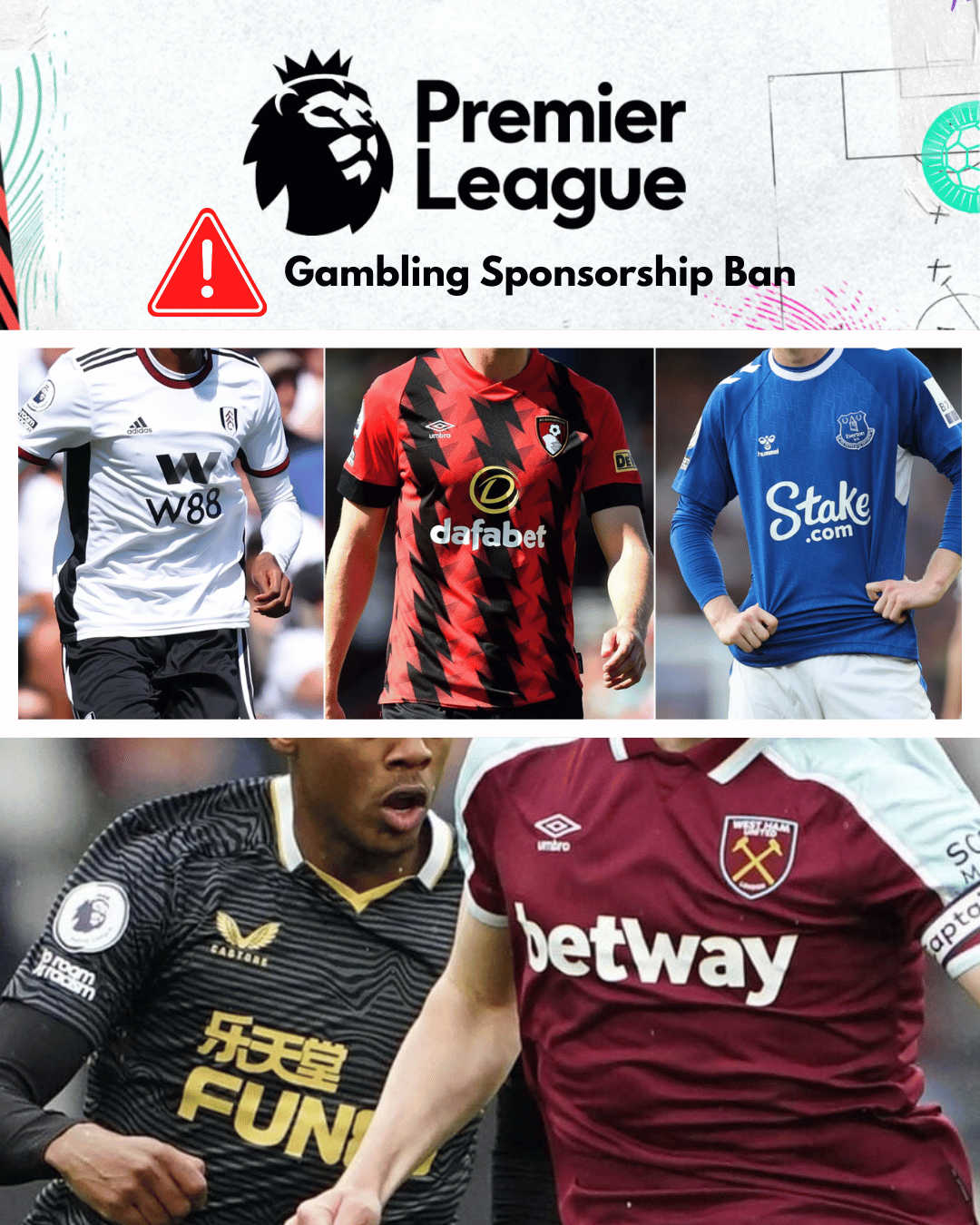
For years, the betting industry has been a reliable, deep-pocketed crutch for clubs outside the traditional "Big Six," offering premium valuations that other sectors simply could not match. Now, with the deadline imminent, the reality of this transition is sending shockwaves through club boardrooms and the wider sports representation industry.
The financial ramifications of this ban are staggering. Industry estimates suggest a collective revenue shortfall approaching the £100 million mark across the league. While the top-tier clubs remain comfortably insulated by long-term, global partnerships with airlines, tech giants, and banking institutions, the rest of the league is facing a harsh market correction. Over half the clubs in the division kicked off this final transition season with betting brands emblazoned on their chests. Recent reports indicate that several of these clubs are currently struggling to secure non-gambling partners willing to match their current figures, with some facing a potential 38% to 50% drop in front-of-shirt commercial value. As of early April 2026, it is understood that nearly half the league is still actively negotiating to secure a primary sponsor for the upcoming campaign.
This impending void has triggered a fierce scramble for alternative revenue streams. Commercial directors are pivoting toward emerging and alternative markets to bridge the financial gap. We are seeing clubs actively courting financial services, cryptocurrency platforms, tourism boards, and technology firms. A prominent example currently circulating in the industry is Everton’s reported pivot toward financial trading platforms like CMC Markets, strategically swapping traditional online casinos for foreign exchange and spread betting entities. Other clubs are exploring internal promotions, such as elevating existing stadium or training kit sponsors to the primary front-of-shirt slot, albeit often at a reduced premium compared to historic gambling deals.
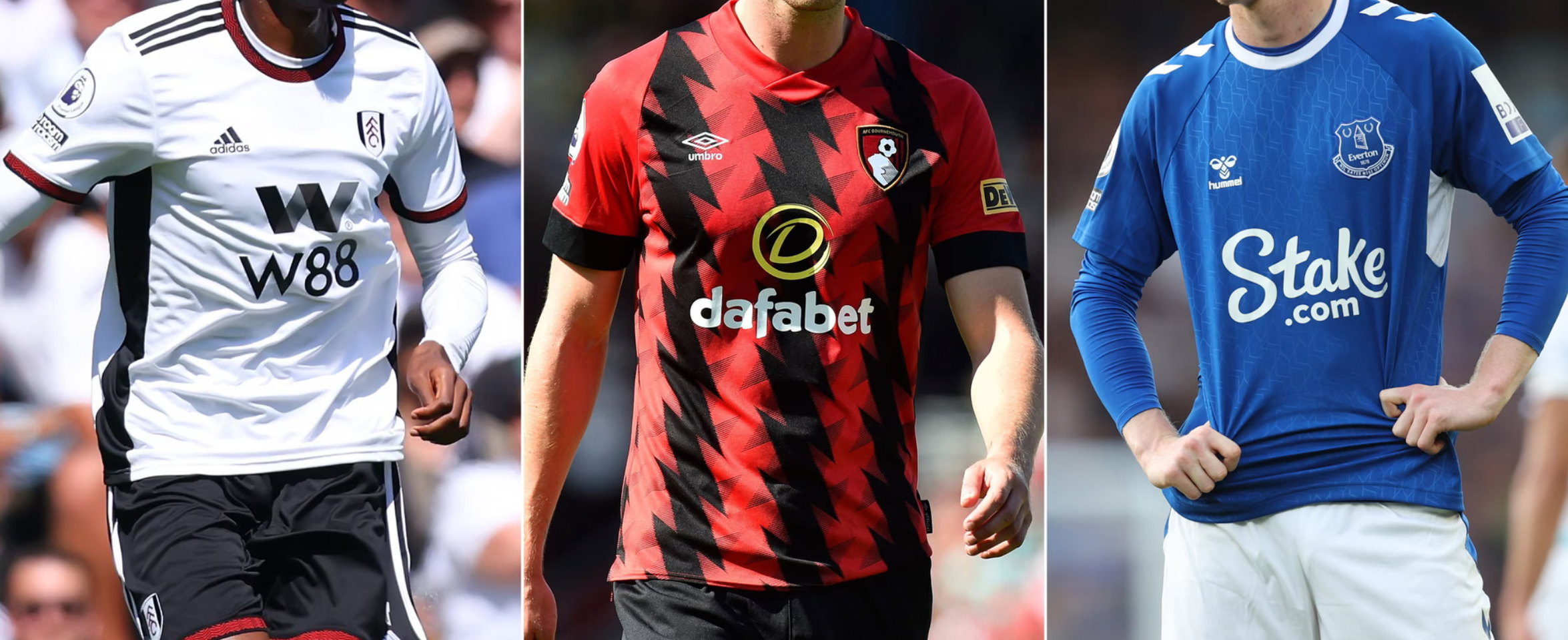
Despite the front-of-shirt ban, gambling money will not vanish from English football overnight. The current agreement contains notable compromises. Betting brands will still be highly visible across the Premier League via sleeve sponsorships, training wear, and perimeter LED advertising boards. For many clubs, redirecting their existing gambling partners to these secondary inventory slots will be a crucial strategy to recoup lost revenue. Furthermore, this self-imposed ban is exclusive to the Premier League. The English Football League (EFL) has not adopted the same restrictions, meaning the Championship and lower divisions will continue to serve as highly visible platforms for the betting industry. This discrepancy could inadvertently widen the already vast commercial wealth gap between the top flight and the rest of the footballing pyramid.
Adding to the complexity is the UK government’s growing scrutiny of the sector. Recent governmental consultations regarding a potential ban on unlicensed offshore gambling operators sponsoring British sports teams highlight that regulatory pressures are only tightening.
For football agents, agency owners, and commercial brokers, this evolving backdrop requires a highly strategic approach. The days of securing quick, highly inflated deals with white-label betting brands targeting the Asian market are drawing to a close. Navigating the commercial realities of the 2026-27 season and beyond will demand deeper networking within alternative financial sectors and a highly creative approach to packaging commercial rights. The clubs and agencies that adapt swiftly to this new buyer's market will secure their financial stability, while those clinging to the inflated valuations of the past may find themselves starting the new campaign with a blank shirt and a significant hole in their balance sheet.